

How to use glycolic acid-toner beginners
Glycolic acid has gone from being a salon exclusive treatment to one of the most accessible skin care ingredients you can add to your routine at home. And if you have been hearing people talk about smoother skin, fewer breakouts, and a more even complexion after using a glycolic acid toner, you might be wondering whether it is actually worth trying.
The short answer is yes. But how you use it matters a lot. Done right, glycolic acid is one of the most effective over the counter exfoliants available. Done wrong, it can leave your skin red, irritated, and more sensitive than before.
This guide is for complete beginners who want to add a glycolic acid toner to their routine without guesswork.
What Is Glycolic Acid and What Does It Do to Your Skin
Glycolic acid is an alpha hydroxy acid (AHA) derived from sugar cane. It belongs to a class of chemical exfoliants that work by dissolving the bonds between dead skin cells, allowing them to shed more easily and revealing the newer, smoother skin underneath.
Unlike physical scrubs that use particles to manually remove dead cells (which can cause micro tears), glycolic acid works at a cellular level. It is gentle enough for regular home use but effective enough to actually change your skin texture over time.
The main benefits of glycolic acid on the skin include improved texture and smoothness, reduced appearance of dark spots and hyperpigmentation, more even skin tone, unclogged pores, and a natural glow that comes from faster cell turnover.
It also stimulates collagen production with consistent long term use, which makes it a useful ingredient for people thinking about anti ageing prevention.
Why The Ordinary Glycolic Acid 7% Toner Is a Favourite for Beginners
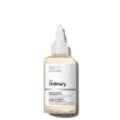
The Ordinary Glycolic Acid 7% Exfoliating Toner is one of the most popular entry level AHA products globally, and for good reason. The 7% concentration is strong enough to produce noticeable results but mild enough to be used regularly without overwhelming the skin.
Unlike some glycolic acid products that are very acidic and stripping, this toner is formulated with a blend of hydrating and soothing ingredients including aloe vera and ginseng, which help keep the skin barrier intact while the glycolic acid works.
It is particularly well suited to people dealing with uneven skin tone, dull complexion, rough texture, or mild hyperpigmentation from sun exposure or acne scarring.
How to Use Glycolic Acid Toner Step by Step
Using a glycolic acid toner correctly is straightforward once you know the steps.
Step 1: Cleanse your face first. Always apply glycolic acid toner on freshly washed skin. Removing makeup, sunscreen, and surface dirt ensures the toner makes direct contact with your skin and works evenly.
Step 2: Wait for your skin to dry completely. This is important. Applying glycolic acid on damp skin increases its absorption and can lead to irritation, especially for sensitive skin. Wait about two to three minutes after washing before applying.
Step 3: Apply with a cotton pad. Soak a cotton pad and sweep it across your face in gentle upward strokes. Avoid the eye area and any broken or irritated skin.
Step 4: Let it absorb before layering. Give the toner about two minutes to absorb before applying any other products. Do not rinse it off.
Step 5: Follow with a moisturiser. Glycolic acid can make skin feel slightly dry or tight at first. Following up with a good moisturiser keeps the skin barrier healthy and maximises the benefits of exfoliation.
How Often Should You Use Glycolic Acid Toner
If you are a complete beginner, start with twice a week. Use it on alternate evenings rather than back to back nights. This gives your skin time to adjust to the exfoliation without getting overwhelmed.
After two to three weeks of twice weekly use, if your skin is tolerating it well with no redness, dryness, or sensitivity, you can increase to every other night or even nightly if your skin handles it.
Most people find that three to four times a week is the sweet spot for visible improvement without irritation.
Morning or Night: When to Use It
Always use glycolic acid toner at night. Glycolic acid makes your skin more sensitive to UV radiation, so using it during the day or right before sun exposure is not a good idea.
In the morning, your only job is to protect. After your morning cleanse, apply your moisturiser and always finish with an SPF50 sunscreen. This is non negotiable when you are using any AHA product. Sun protection makes your results better and prevents the very pigmentation you are trying to treat from getting worse.
What Not to Use with Glycolic Acid
Layering too many actives in one routine is a common beginner mistake. On nights when you use your glycolic acid toner, avoid using retinol, retinal, vitamin C, or other acids like salicylic acid in the same routine. These combinations can cause irritation and compromise your skin barrier.
A simple rotation that works well: glycolic acid on some evenings, retinal or retinol on others. Your skin gets the benefits of both without the overload.
Real Results: What to Expect and When
After two weeks of consistent twice weekly use, most people notice smoother skin texture and a subtle glow. After a month, uneven skin tone begins to improve noticeably. After two to three months of regular use, the cumulative effects become much more visible, with clearer skin, reduced dark spots, and a more uniform complexion.
Consistency matters more than anything else with chemical exfoliants. The people who see the best results are the ones who stick with it patiently.
Final Thoughts
Glycolic acid toner is genuinely one of the most effective additions you can make to your skin care routine for brighter, more even skin. The Ordinary Glycolic Acid 7% Exfoliating Toner available on Belloi is a well tested, accessible formula that works across most skin types.
Start slow, protect your skin in the morning, and be patient with the process. Your skin will thank you for it.
Frequently Asked Questions
Can I use glycolic acid toner every day?
Beginners should start with twice a week and increase gradually. Some people with tolerant skin do use it daily, but it is not necessary to see good results.
Does glycolic acid toner remove tan?
Glycolic acid helps fade surface level tanning and pigmentation over time by speeding up cell turnover. It works best when paired with SPF50 sunscreen during the day.
Can I use glycolic acid toner on sensitive skin?
Yes, with caution. Start with once a week and monitor how your skin responds. If you experience persistent redness or peeling, reduce frequency or discontinue use.
What should I apply after glycolic acid toner?
Apply a gentle, hydrating moisturiser. Avoid vitamin C, retinol, or other acids on the same night to prevent over exfoliation and irritation.